
Why Yala & Udawalawe opens from 6 to 6 ?
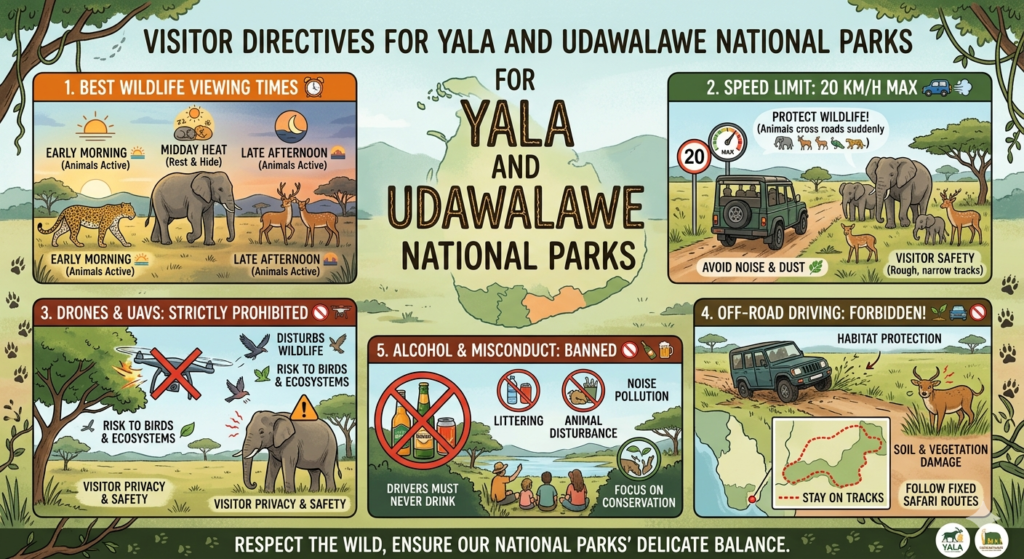
To maximize your chances of witnessing the raw beauty of the Yala & Udawalawe National Parks, timing is everything. The golden hours of early morning and late afternoon are the absolute best times for wildlife activity, as the cooler temperatures trigger a surge in movement for the park’s most elusive residents.
During these periods, predators like leopards 🐆emerge from the shadows to hunt, while majestic elephants 🐘 and herds of deer 🦌 gather near watering holes and forest clearings.
Conversely, the intense midday heat often drives animals into deep thickets to rest and hide, making sightings much rarer. By scheduling your safari during these peak activity windows, you ensure an immersive experience with the highest probability of spectacular wildlife encounters. 🌅✨Yala & Udawalawe National Parks does not allow night safaris to avoid disturbing animals and ensure safety.

What is the speed limit for safari jeeps ?
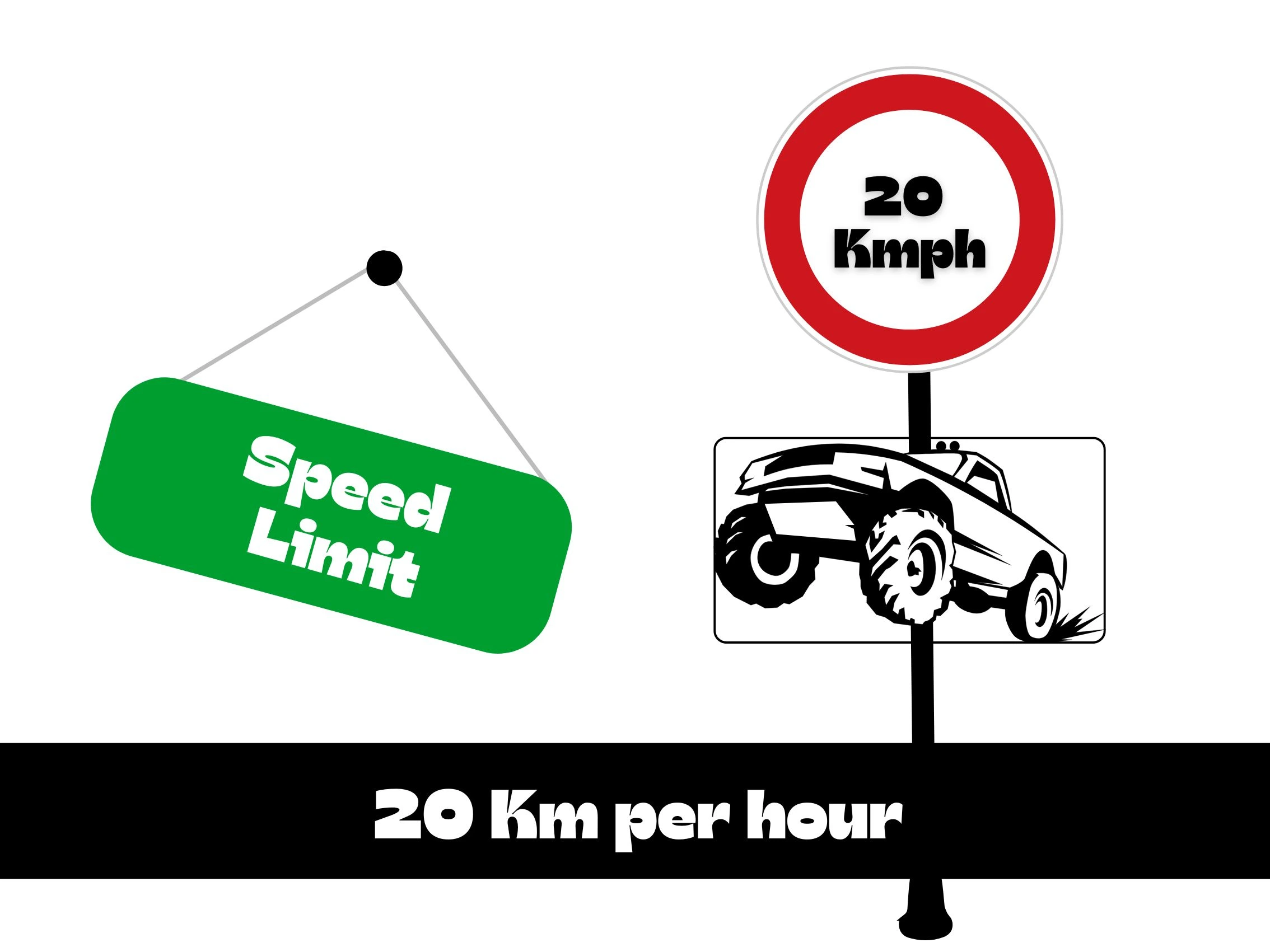
Prioritizing a slow and steady pace is the secret to a truly immersive and ethical safari. Adhering to a speed limit of 20 km/h is essential to protect wild animals like elephants 🐘, deer 🦌, and elusive leopards 🐆, who often cross roads unexpectedly; driving slowly ensures you have the reaction time to stop safely and prevent tragic accidents.
Beyond safety, In Yala & Udawalawe National Park safaries reducing your speed significantly minimizes animal stress and environmental impact by curbing noise, dust pollution, and habitat erosion 🌿.
While high speeds can startle wildlife into hiding, a calm approach preserves their natural behavior, offering you a better wildlife experience with more opportunities for high-quality photography and expert tracking 📸. Navigating rough, narrow safari tracks at a controlled pace also ensures visitor safety by preventing jeep collisions or rollovers 🚙. 🌱
Is drinking alcohol allowed in yala & Udawalawe ?
NO. While some visitors might view a safari as a leisure activity, it is crucial to understand that alcohol is strictly prohibited within Yala and Udawalawe National parks to ensure the safety of both guests and wildlife.
To maintain a serene and respectful environment, authorities enforce a zero-tolerance policy regarding alcohol consumption to prevent noise pollution, littering 🍾, and the disturbance of animals in their natural habitat.
🌿 Because the primary focus of these protected areas is wildlife conservation and not entertainment, any behavior that threatens the animals, the environment, or park safety—such as public intoxication or reckless conduct—is a punishable offense that can lead to immediate removal and heavy fines. 🚫🐘 Furthermore, regulations are absolute for staff; drivers must never drink, ensuring that every jeep remains a safe space for exploration. 🚙
Is Drones allowed in National Parks ?
To preserve the raw, untouched beauty of the wild, drones are strictly prohibited in Yala and Udawalawe National Parks.
This ban is primarily in place to protect wild animals from unnecessary stress; the buzzing noise and overhead movement are often perceived as a predatory threat, which can cause elephants 🐘, leopards 🐆, and birds 🦅 to abandon their nests, interrupt their hunting, or even become aggressive.
Beyond animal welfare, drones pose a significant risk to the ecosystem, as territorial birds may attack the devices, leading to fatal injuries, while crashes can litter sensitive habitats with debris.
🌿 Ensuring visitor safety is also a top priority, as falling drones or distracted safari drivers can lead to dangerous accidents on narrow tracks.
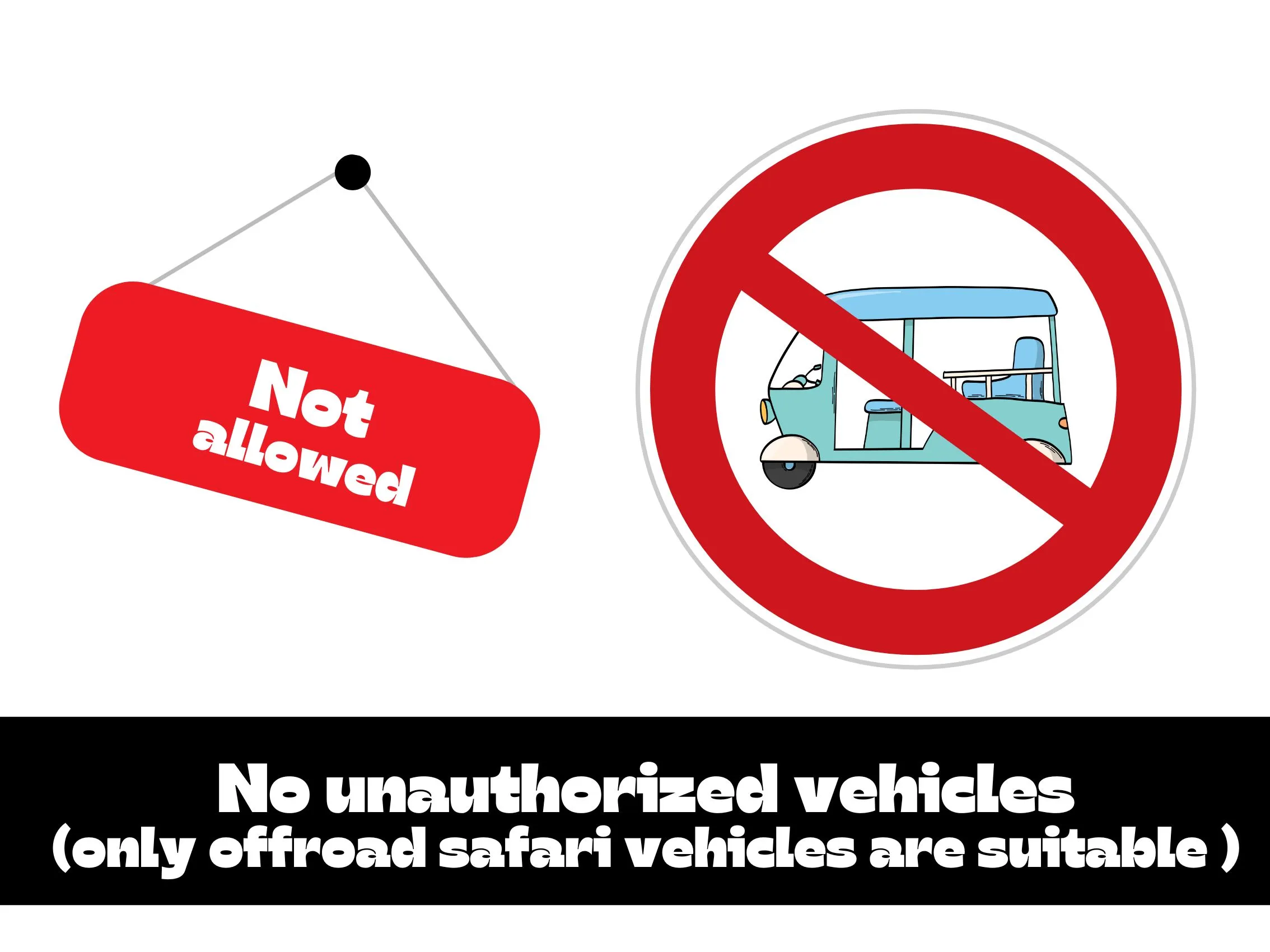
Are tuk tuks Allowed to enter Yala & Udawalawe Parks?
Navigating the rugged wilderness of Yala and Udawalawe requires more than just a standard vehicle; only off-road 4×4 safari jeeps are permitted to ensure a safe and eco-friendly journey..
The parks feature rough and natural terrain consisting of sandy tracks, muddy crossings, and rocky paths that would easily trap a regular car, especially when roads become slippery or flooded during the rains.
🚙⛈️ These specialized vehicles are essential for visitor safety, providing a higher vantage point and the power to maneuver quickly if unpredictable animals like elephants 🐘 or leopards 🐆 get too close. Furthermore, using authorized 4x4s helps protect wildlife and habitats by ensuring drivers stick to fixed routes, preventing soil erosion and the destruction of sensitive grasslands.
🌿 By prohibiting standard cars, the parks prevent accidents and traffic jams caused by breakdowns, keeping the safari flow smooth and the environment pristine. 🚫🚗✨
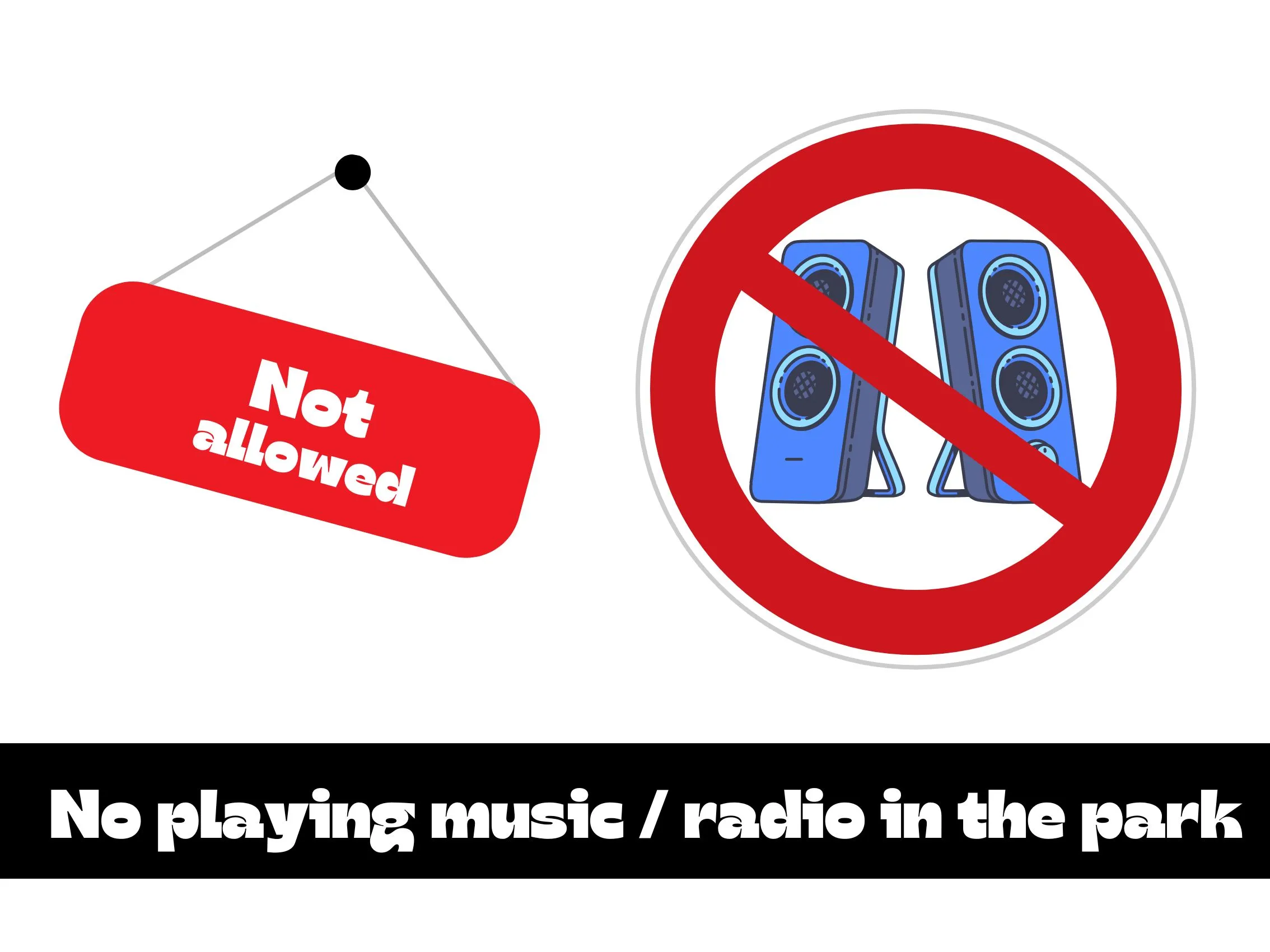
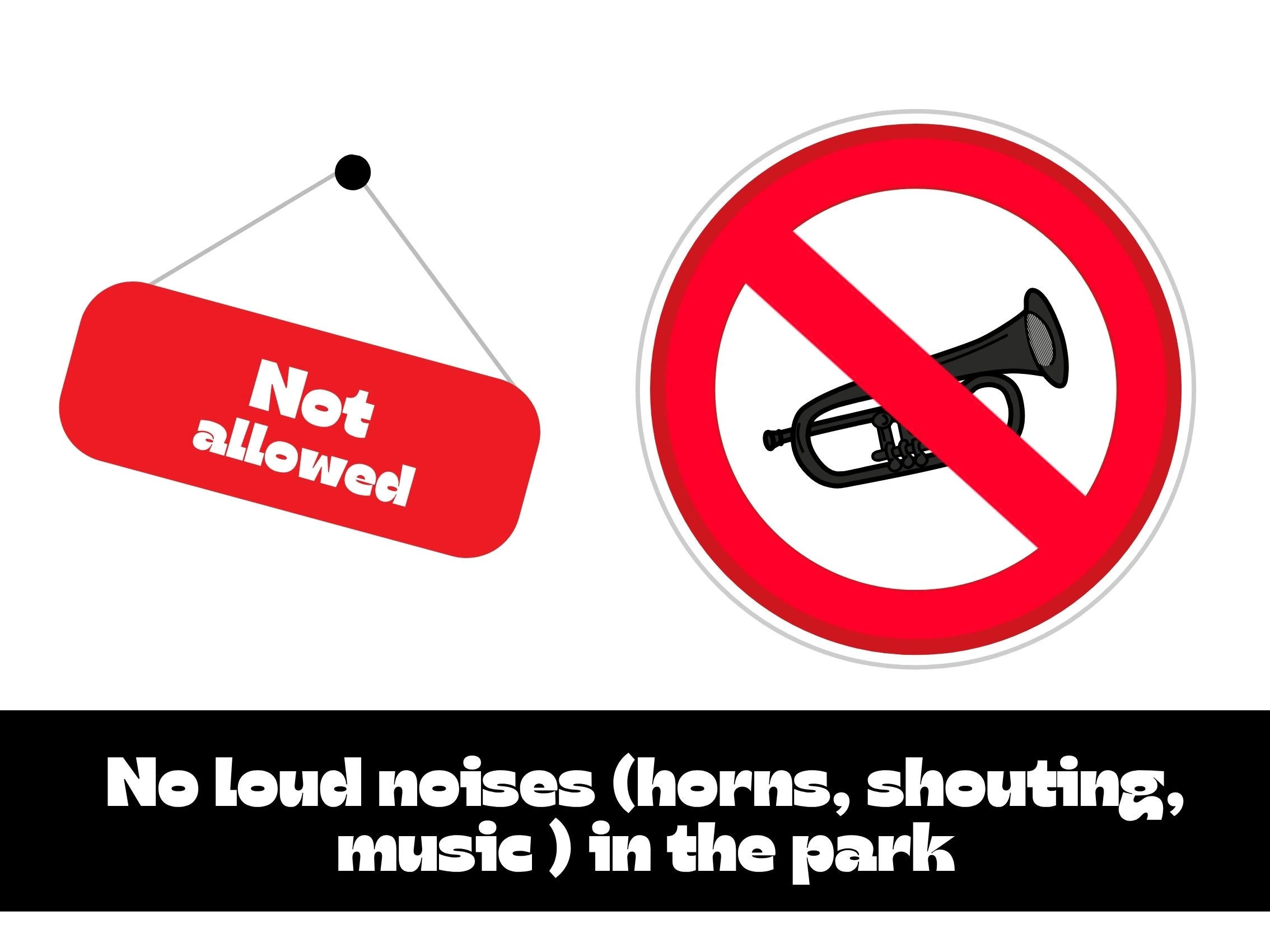
Is Music or Sounds allowed in National Parks ?
The prohibition of music and loud sounds in national parks is a vital conservation measure designed to protect both the inhabitants and the integrity of the natural environment.
Animals rely on a delicate acoustic landscape for survival—using sound to detect predators, communicate with mates, and forage for food. When artificial noise disrupts this balance, it can induce severe stress, interrupt breeding cycles, and force sensitive species like leopards or elephants to abandon their natural habitats.
Beyond the ecological impact, silence is a fundamental component of the visitor experience, allowing for a deeper connection with nature and ensuring safety during safaris, where guides must remain alert to the subtle sounds of the bush.
🌿Consequently, wildlife authorities strictly enforce these regulations, often imposing heavy fines to ensure that the “sounds of silence” remain the primary soundtrack of our protected wild spaces.
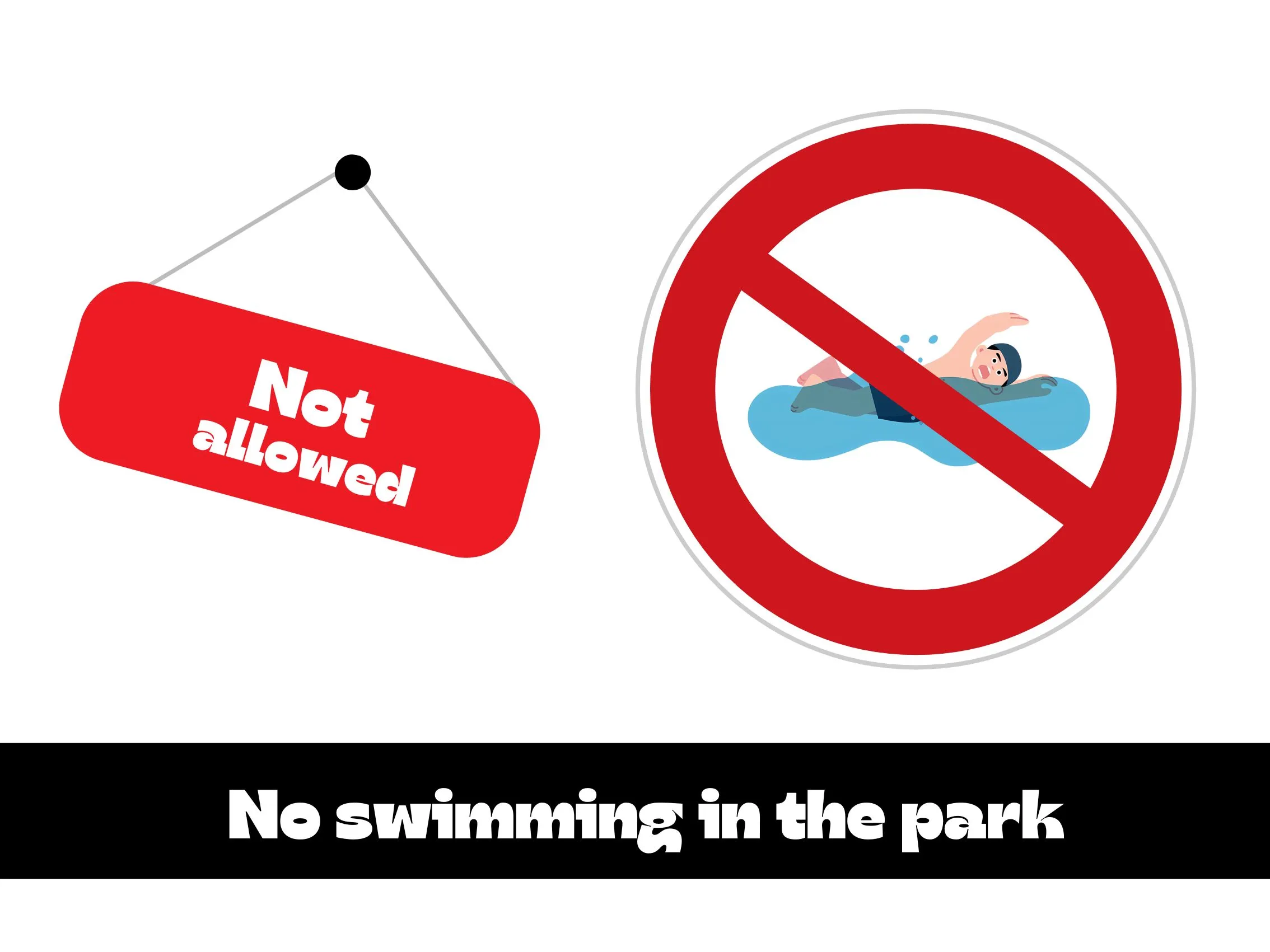
Is Swimming Allowed in Yala & Udawalawe Parks?
While a safari in Yala or Udawalawe National Park offers an unforgettable adventure, taking a dip in the local waterways is strictly forbidden for your safety and the park’s health.
The primary deterrent is the dangerous wildlife 🐊; these rivers and reservoirs are prime habitats for Mugger crocodiles, aggressive water buffalo, and bathing elephants that do not appreciate human company. Beyond the physical risks, human presence in the water creates a disturbing footprint 🐘 by blocking animal access to essential drinking spots and polluting fragile ecosystems with sunscreens and waste.
🚙⛈️ Furthermore, these are remote wilderness areas 🚫 with no lifeguards or emergency medical facilities nearby, making any water-based incident potentially fatal. For the best Sri Lanka wildlife experience, it is vital to respect these boundaries and keep the “wild” in wildlife!
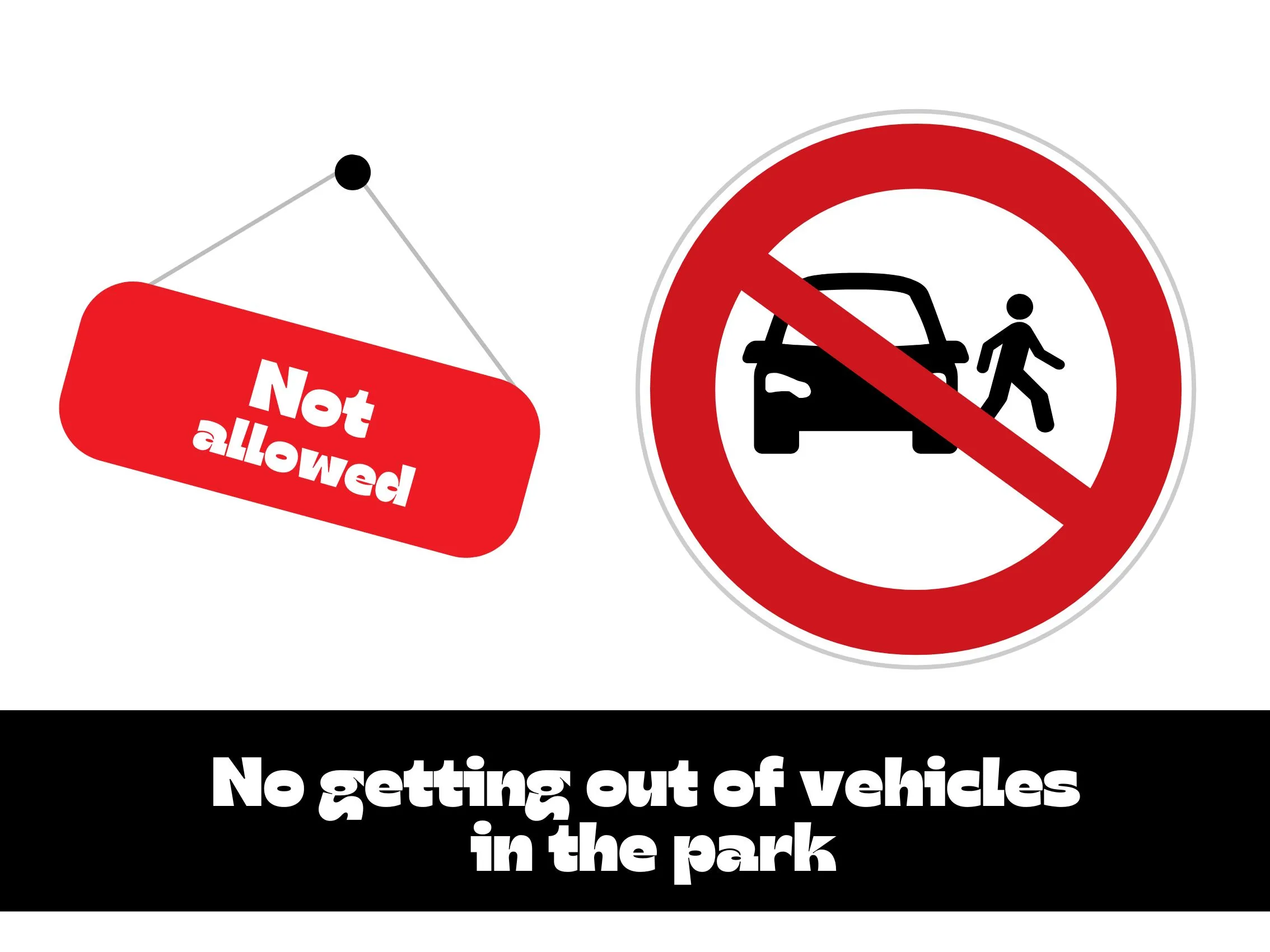
Is Getting out of Safari jeep allowed in National Parks ?
Stepping out of your vehicle during a Sri Lanka safari is strictly prohibited, as safari jeeps serve as a vital protective barrier between you and the wild.
In destinations like Yala and Udawalawe National Park, apex predators such as leopards 🐆, sloth bears 🐻, and majestic yet unpredictable elephants 🐘 view a jeep as one large, non-threatening object; however, the moment you set foot on the ground, you are perceived as a separate target or a potential threat..
Beyond the immediate danger of an animal charge in an area with no escape routes 🚫, walking off-road causes significant animal disturbance, triggering defensive behaviors and stressing mothers with young. Staying inside the vehicle isn’t just about your safety—it’s about wildlife conservation 🌿, ensuring we don’t damage fragile habitats or disrupt the natural hunting and resting patterns of these incredible creatures. 🚙✨
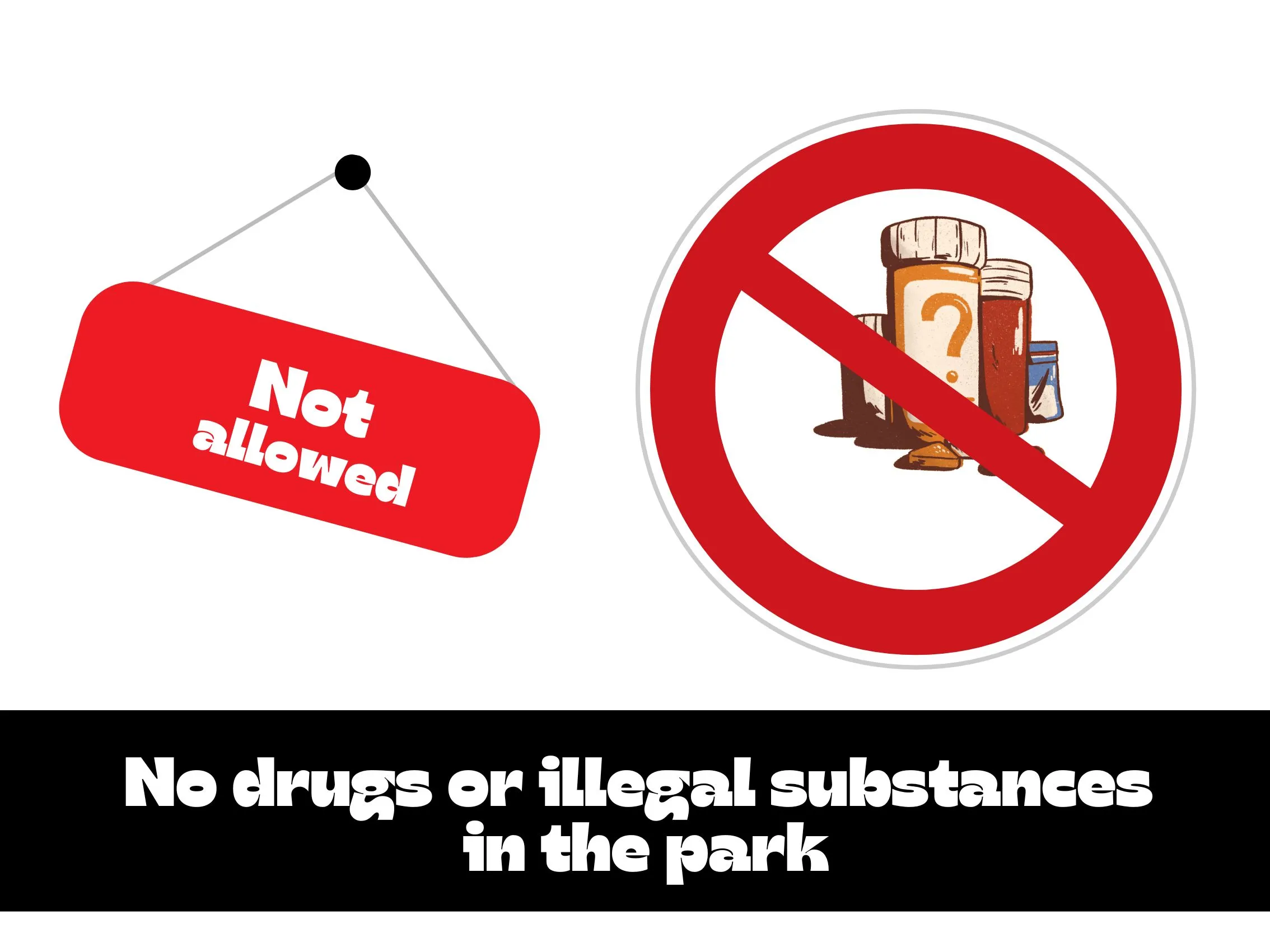
Is Drugs or illegal substances allowed in Yala & Udawalawe Parks?
The use of drugs and illegal substances is strictly prohibited in Yala National Park and Udawalawe National Park, as maintaining full alertness is vital for your safety in a landscape filled with wild leopards and elephants 🐘.
Sri Lanka enforces zero-tolerance drug laws, and being inside a national park offers no legal exception; possession can lead to immediate criminal prosecution by the Department of Wildlife Conservation 🚫.
Beyond the legalities, intoxication severely impairs judgment and reaction times during a safari, putting you and your guide at extreme risk during wildlife encounters ⚠️. Furthermore, these substances threaten wildlife conservation efforts, as litter or chemical contamination can harm sensitive ecosystems and lead to unpredictable, irresponsible behavior toward the animals 🌿. To ensure a disciplined and respectful Sri Lanka wildlife tour, visitors must remain sober to protect both the natural environment and the safety of everyone in the vehicle 🚙.
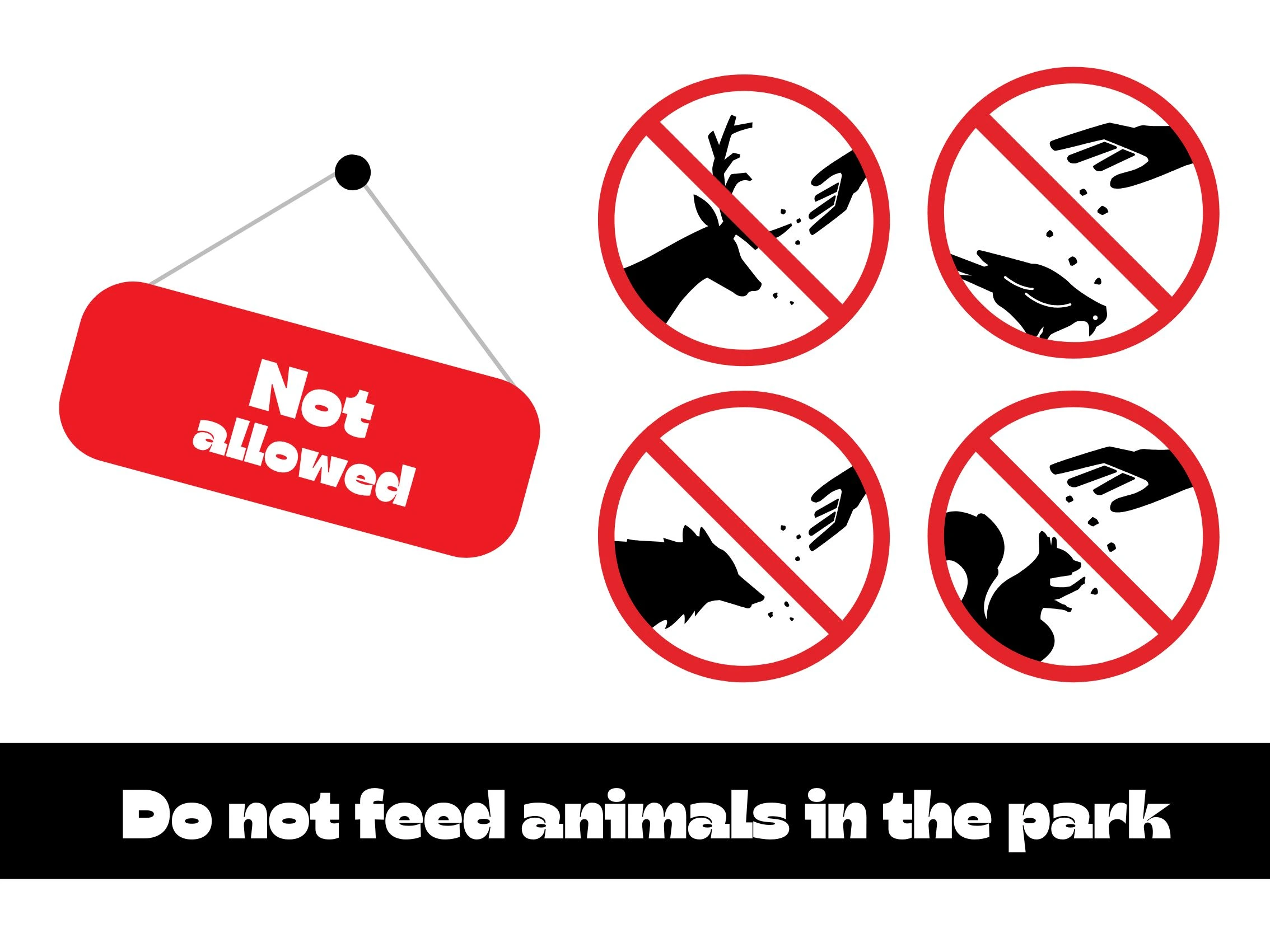
Are feeding wild animals allowed in National Parks ?
Feeding wild animals in Sri Lanka’s iconic reserves, such as Yala National Park and Udawalawe National Park, is strictly prohibited to preserve the delicate balance of nature.
While it may seem like a kind gesture, offering human food to wildlife seriously harms animal health 🐾 by causing malnutrition and digestive issues. Beyond health risks, supplemental feeding disrupts the ecosystem 🌿 and alters natural behavior, causing majestic creatures to lose their vital foraging skills and become dangerously dependent on humans.
This behavior change often leads to human-wildlife conflict 🧬, as animals may wander into villages or approach safari jeeps aggressively, creating life-threatening situations for both tourists and local communities ⚠️. By respecting the “no feeding” rule, you ensure these animals remain wild, healthy, and safe within their natural habitats 🚙.
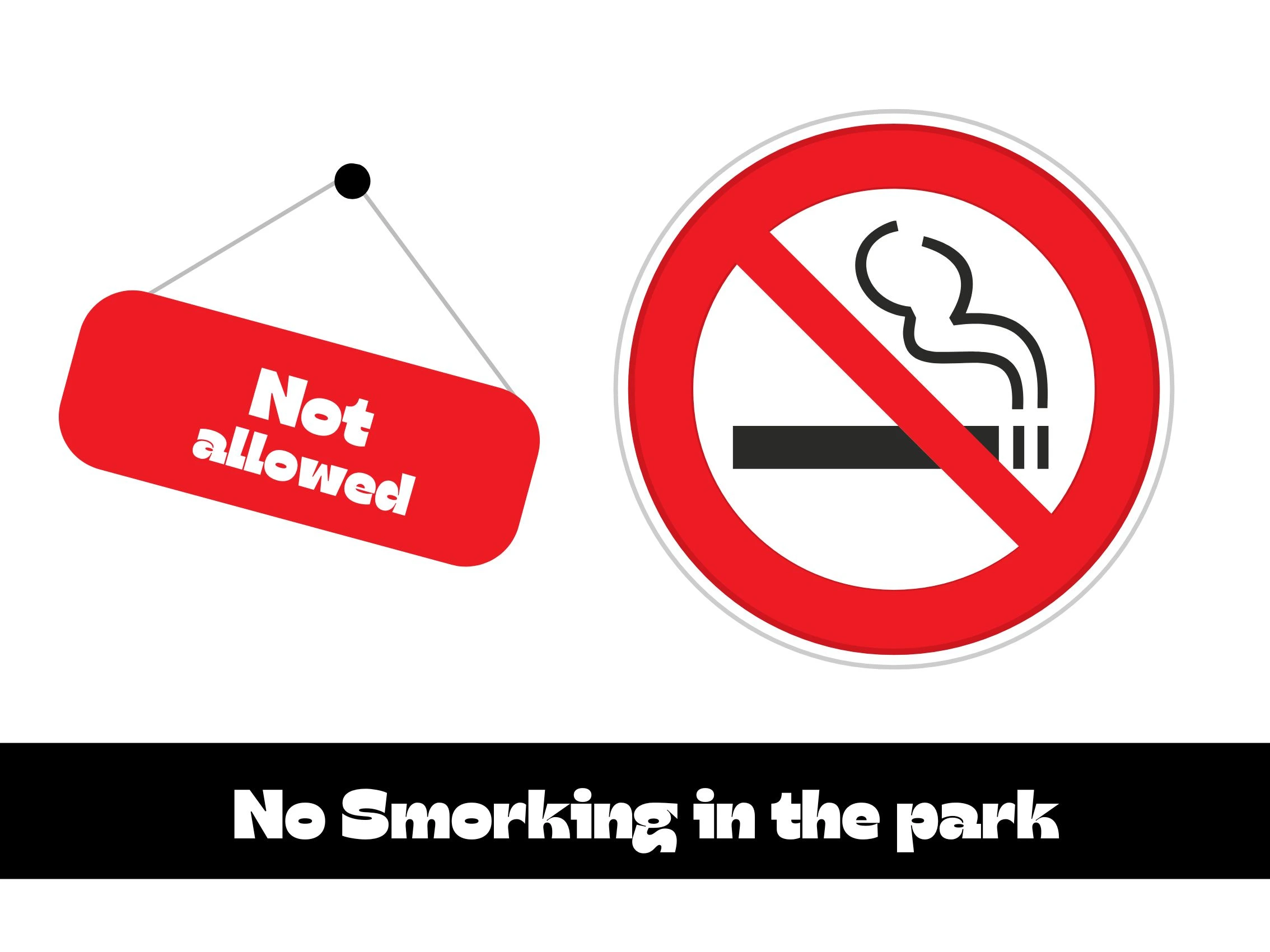
Is smorking allowed in Yala & Udawalawe Parks?
Smoking is strictly prohibited inside Sri Lankan wildlife sanctuaries like Yala National Park and Udawalawe National Park to ensure the safety of the environment and its inhabitants. 🐘.
While it may seem like a kind gesture, offering human food to wildlife seriously harms animal health 🐾 by causing malnutrition and digestive issues. Beyond health risks, supplemental feeding disrupts the ecosystem 🌿 and alters natural behavior, causing majestic creatures to lose their vital foraging skills and become dangerously dependent on humans..
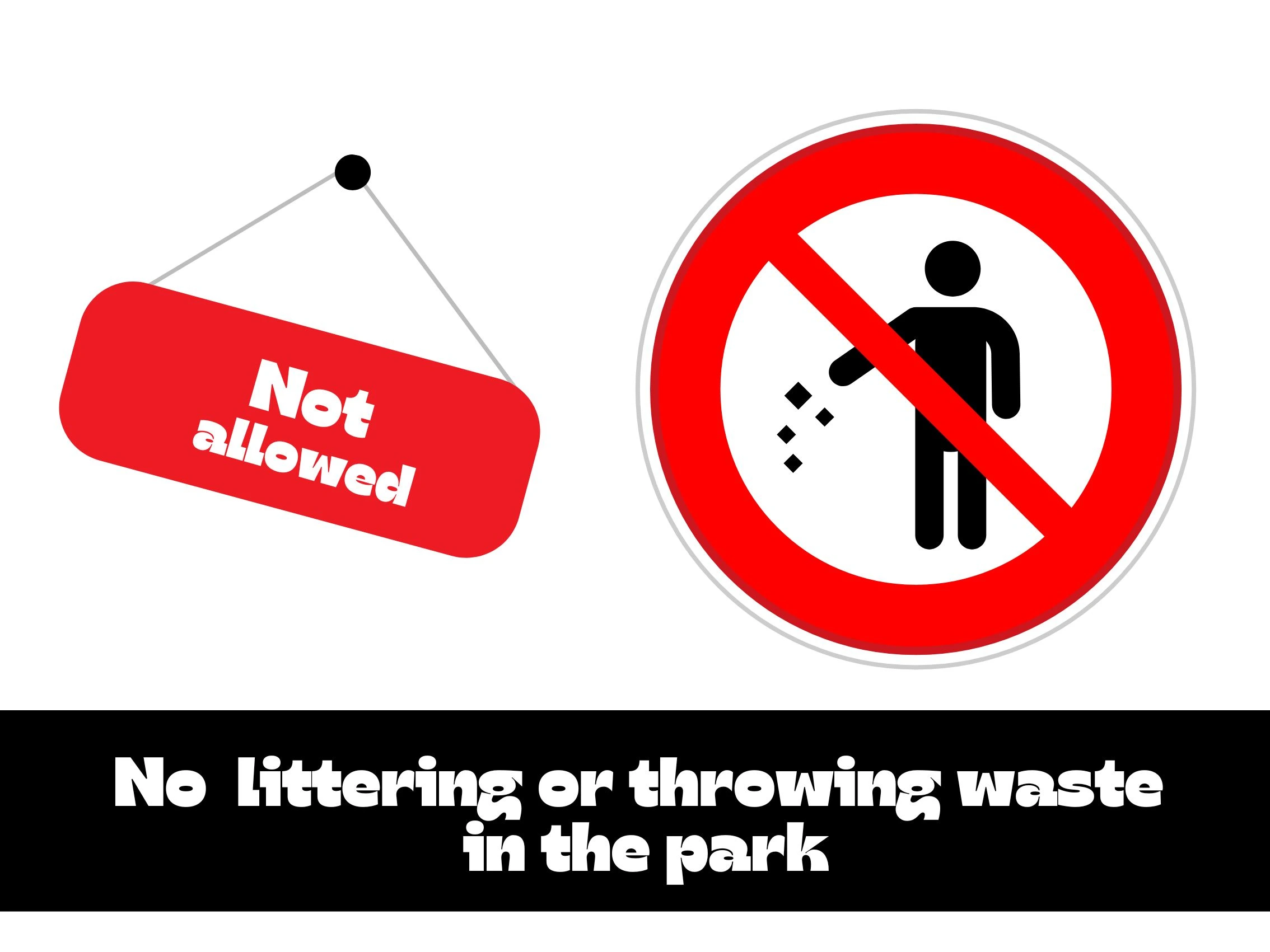
Is littering or throwing waste allowed in National Parks ?
Littering is strictly prohibited in Yala National Park and Udawalawe National Park to safeguard the pristine wilderness and its inhabitants.
When visitors leave trash behind, they pose a lethal threat to wildlife protection 🚯, as majestic animals like elephants and deer often mistake plastic or polythene bags for food, leading to severe illness or death. Beyond the immediate danger to animals, waste pollutes the natural environment 🌿 by leaching toxins into the soil and water that can take centuries to decompose.
Discarding food scraps also creates dangerous situations ⚠️ by luring wildlife toward safari tracks and roads, increasing the risk of vehicle accidents and disrupting the ecosystem balance 🧬. To keep these protected areas wild and untouched 🌍, it is vital to follow “leave no trace” principles, ensuring that the natural beauty of Sri Lanka’s parks remains untarnished for future generations 🐘.
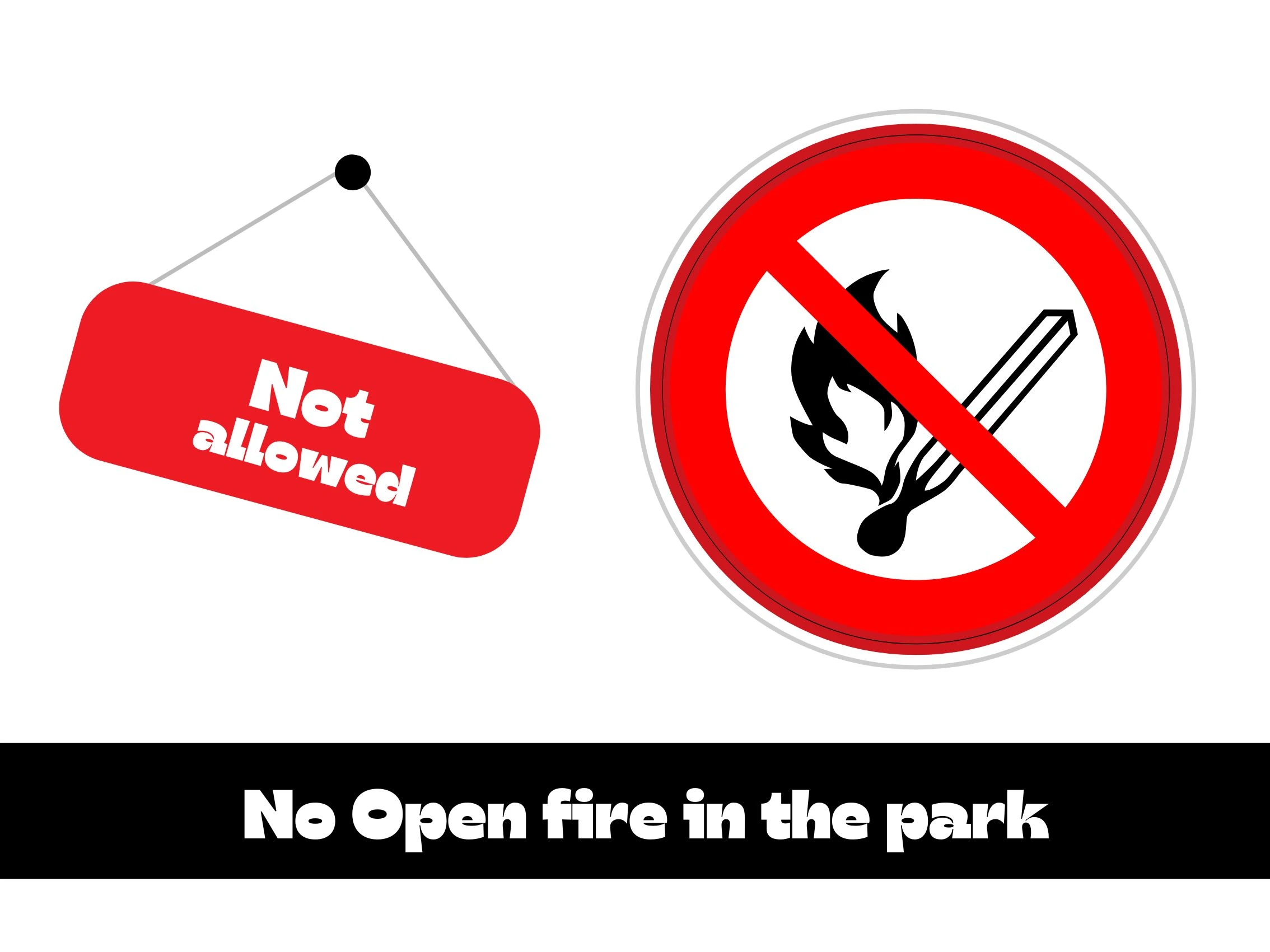
Is open fire allowed in Yala & Udawalawe Parks?
Igniting open fires is strictly forbidden within Yala National Park and Udawalawe National Park to prevent catastrophic environmental damage..
Because these reserves consist of dry grasslands and dense scrub forests, there is a high risk of wildfires 🔥—a single spark can ignite an uncontrollable blaze that destroys thousands of acres in minutes. Such fires are devastating to wildlife protection 🐘, as they kill or injure animals, wipe out nesting grounds, and force survivors to flee their natural habitats. Beyond habitat destruction 🌿, the resulting smoke causes severe air pollution that disturbs animal behavior and ruins the authentic safari experience 🌬️.
Furthermore, visitor safety 🚙 is a top priority; since emergency response is incredibly difficult in remote jungle terrain, a runaway fire poses a direct threat to tourists and guides. By prohibiting open flames, authorities ensure these precious ecosystems remain safe, stable, and thriving.
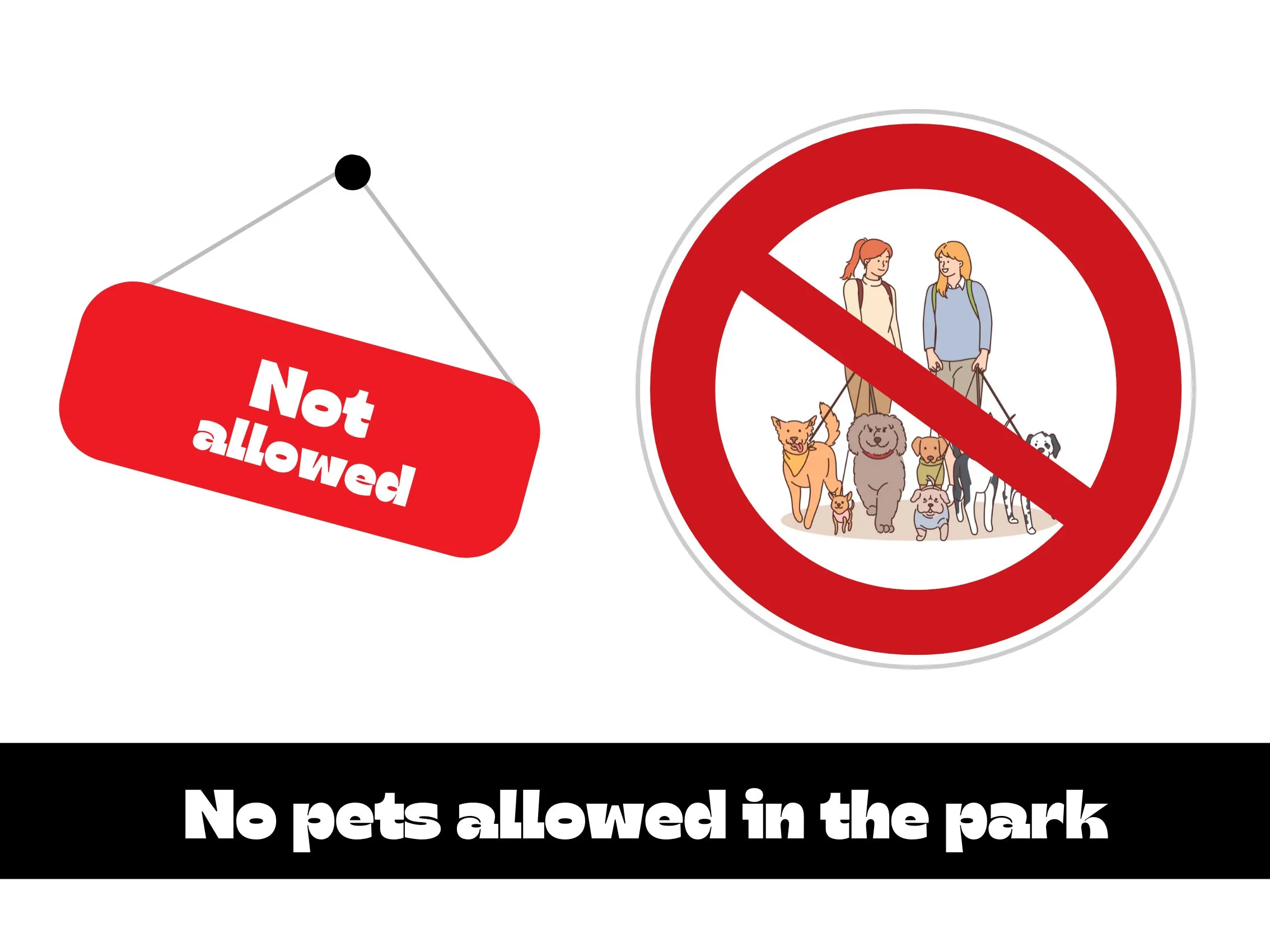
Are pets allowed in National Parks ?
Protecting the delicate biodiversity of Sri Lanka’s wilderness is a top priority, which is why pets are strictly prohibited in Yala and Udawalawe National Parks.
This policy is essential to protect wildlife from domestic diseases and parasites, like rabies, which could devastate local populations of leopards, elephants, and deer. Beyond health risks, the presence of domestic animals causes significant stress and behavioral disruption to wildlife, often leading to aggression or displacement.
Keeping pets out also prevents dangerous predator-prey conflicts, ensuring your beloved companions aren’t targeted by crocodiles or big cats. By respecting these rules, visitors help preserve the natural ecosystem, preventing habitat damage and ensuring that the “wild” stays truly wild for generations to come. 🐾🐘🌿🐘.
Is cycling allowed in Yala & Udawalawe Parks?
Igniting open fires is strictly forbidden within Yala National Park and Udawalawe National Park to prevent catastrophic environmental damage..
Because these reserves consist of dry grasslands and dense scrub forests, there is a high risk of wildfires 🔥—a single spark can ignite an uncontrollable blaze that destroys thousands of acres in minutes. Such fires are devastating to wildlife protection 🐘, as they kill or injure animals, wipe out nesting grounds, and force survivors to flee their natural habitats. Beyond habitat destruction 🌿, the resulting smoke causes severe air pollution that disturbs animal behavior and ruins the authentic safari experience 🌬️.
Furthermore, visitor safety 🚙 is a top priority; since emergency response is incredibly difficult in remote jungle terrain, a runaway fire poses a direct threat to tourists and guides. By prohibiting open flames, authorities ensure these precious ecosystems remain safe, stable, and thriving.

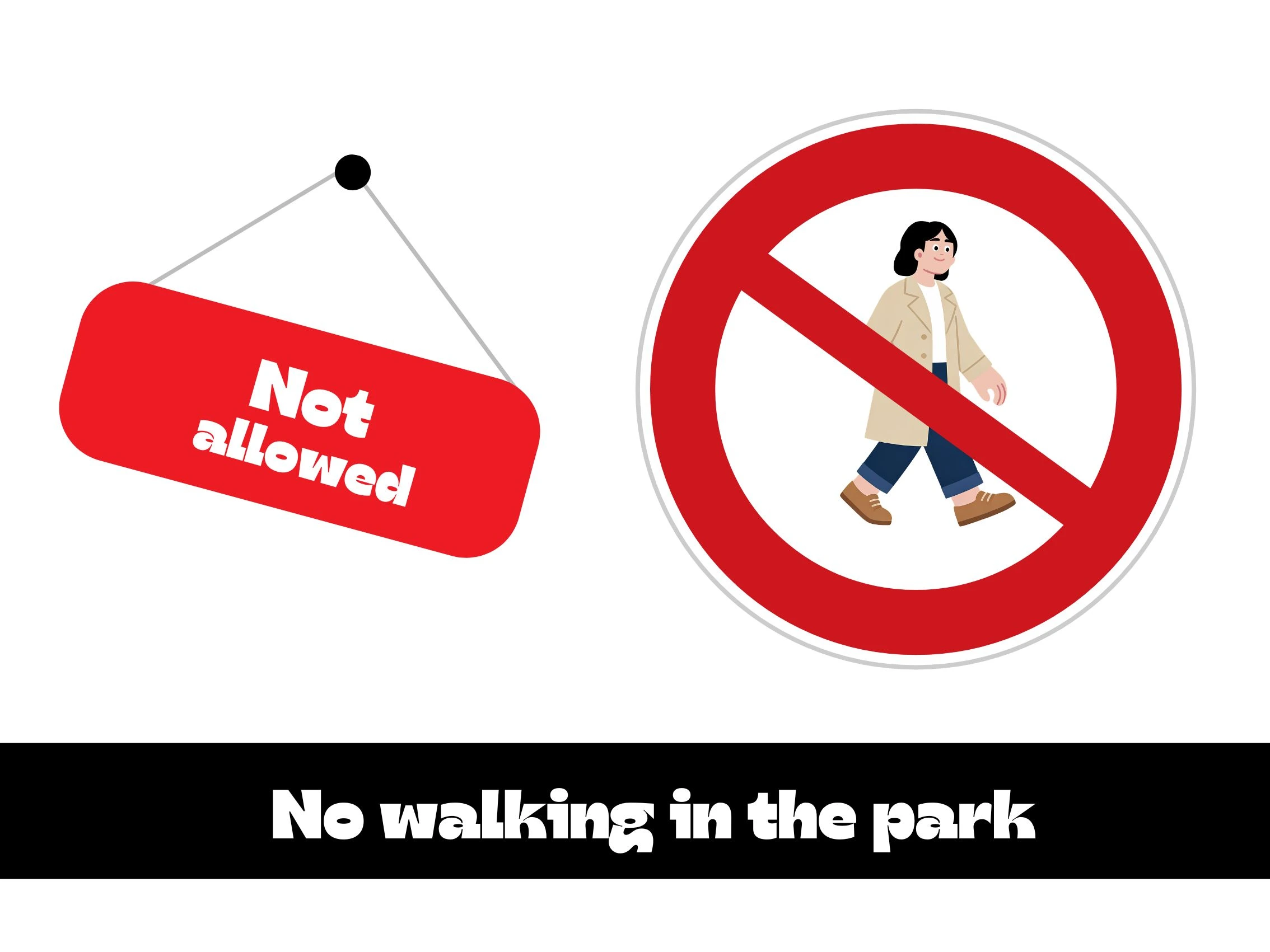
Is walking allowed in National Parks ?
Protecting the delicate biodiversity of Sri Lanka’s wilderness is a top priority, which is why pets are strictly prohibited in Yala and Udawalawe National Parks.
This policy is essential to protect wildlife from domestic diseases and parasites, like rabies, which could devastate local populations of leopards, elephants, and deer. Beyond health risks, the presence of domestic animals causes significant stress and behavioral disruption to wildlife, often leading to aggression or displacement.
Keeping pets out also prevents dangerous predator-prey conflicts, ensuring your beloved companions aren’t targeted by crocodiles or big cats. By respecting these rules, visitors help preserve the natural ecosystem, preventing habitat damage and ensuring that the “wild” stays truly wild for generations to come. 🐾🐘🌿🐘.
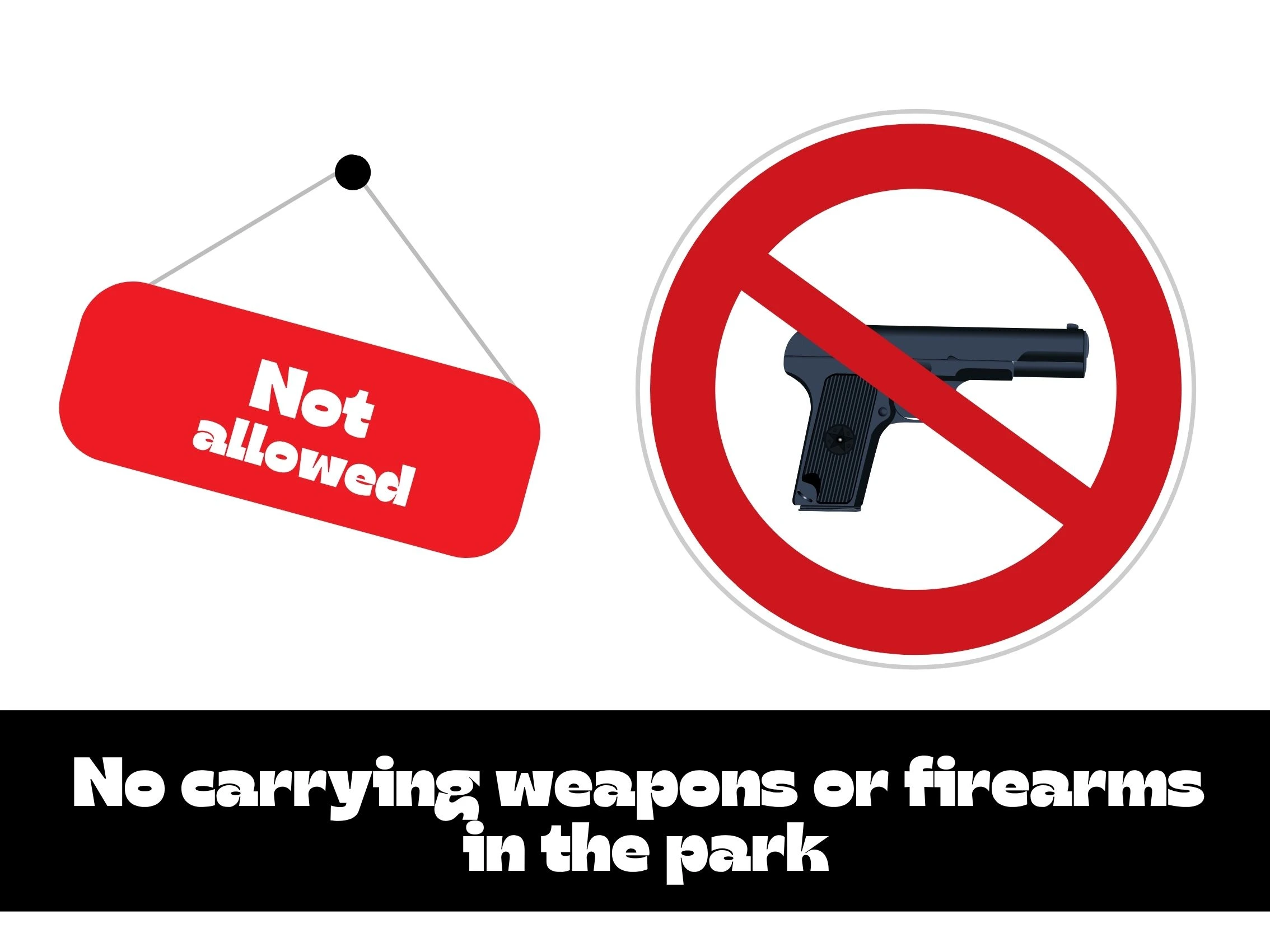
Is carrying wepons & firearms allowed in Yala & Udawalawe Parks?
To ensure the safety of both wildlife and visitors, firearms, hunting weapons, and explosives are strictly prohibited for the public within Yala and Udawalawe National Parks.
These rigorous conservation laws are designed to eliminate the threat of poaching and prevent any harm to iconic species like the Sri Lankan leopard and elephant. While authorized wildlife rangers and law enforcement carry firearms solely for park security and emergency animal control, unauthorized possession by tourists is a serious offense that can lead to heavy fines or imprisonment.
By keeping weapons out of these protected zones, we safeguard the natural behavior of endangered species and maintain the park as a peaceful sanctuary for nature lovers. 🐆🚫⚖️
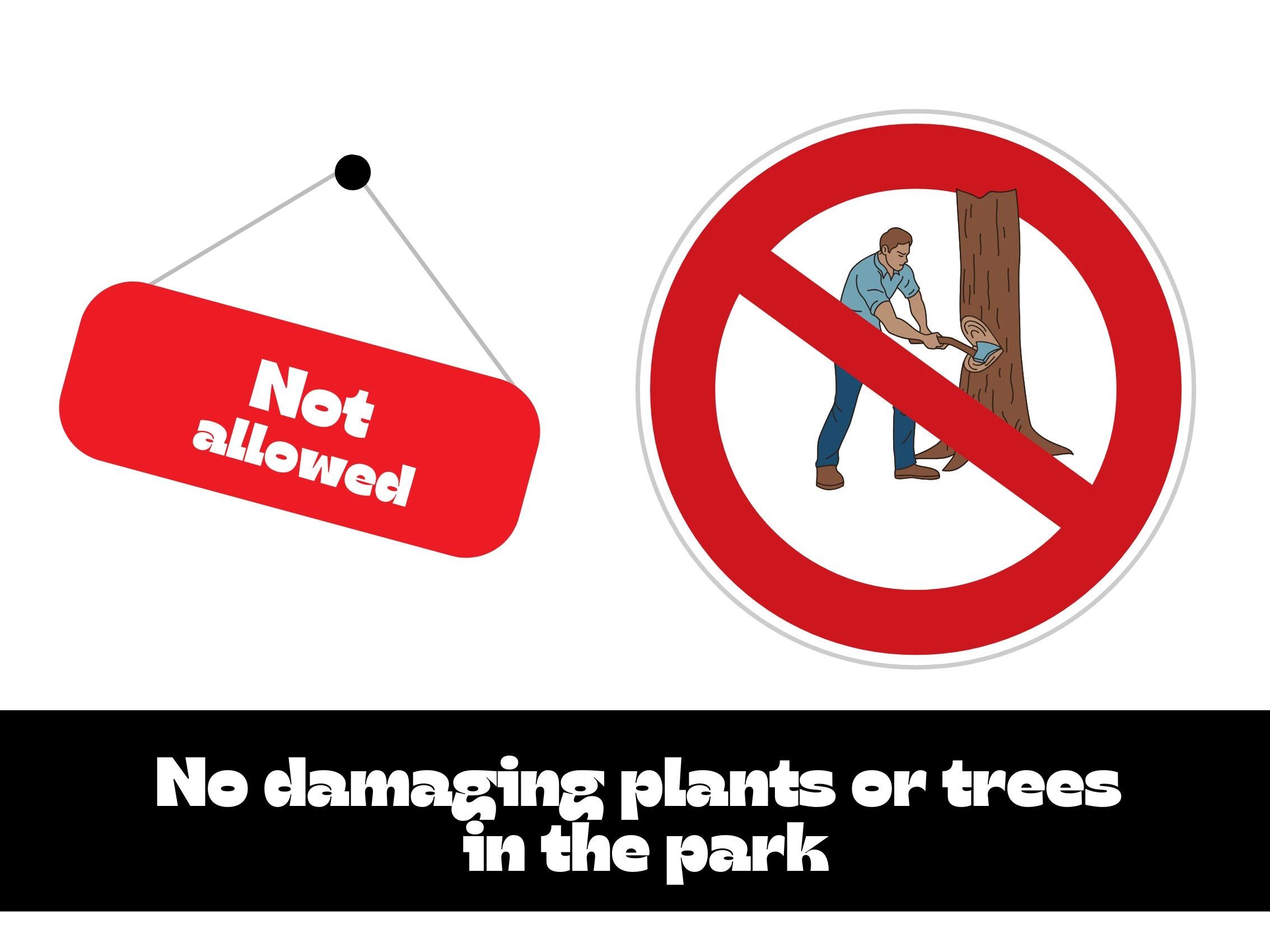
Is damaging plants or trees allowed in National Parks ?
Preserving the pristine beauty of Sri Lanka’s wilderness is a collective responsibility, which is why damaging plants or trees is strictly prohibited in protected areas like Yala National Park and Udawalawe National Park.
Preserving the pristine beauty of Sri Lanka’s wilderness is a collective responsibility, which is why damaging plants or trees is strictly prohibited in protected areas like Yala National Park and Udawalawe National Park.
By respecting these rules and leaving nature untouched, we ensure that the delicate “wildlife-vegetation” bond remains intact for future generations to explore and enjoy. 🐘🌿🌍🐘.